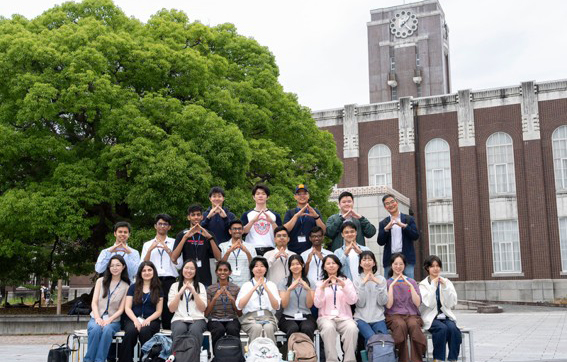

From 5 June to 6 August 2026, Kyoto University hosted this year's Amgen Scholars Program (ASP), an approximately two-month international research internship for undergraduate science students. Supported by the Amgen Foundation in the United States, the program aims primarily to foster next-generation innovators in biotechnology and advance science education.
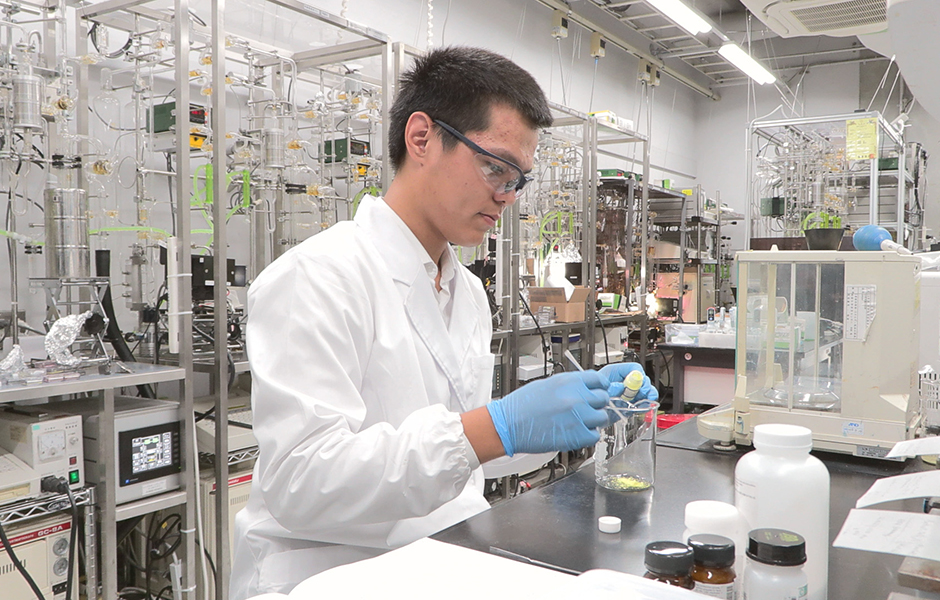
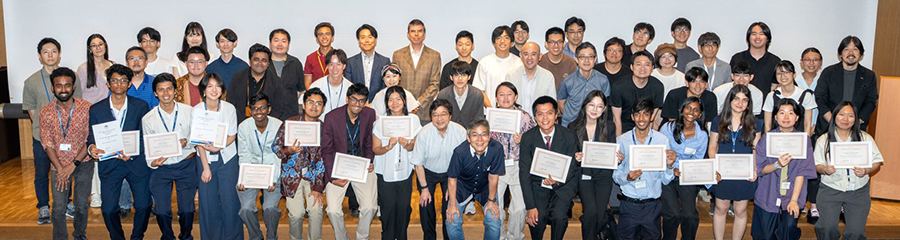
The 2026 participants comprised 15 undergraduate students from 11 universities across seven Asian regions, selected through a highly competitive screening process from over 1,200 applicants. At Kyoto University, they engaged in hands-on research in host laboratories aligned with their areas of interest. The laboratories spanned the following schools and institutes: the Graduate Schools of Medicine, Pharmaceutical Sciences, Engineering, Agriculture, Biostudies, and Advanced Integrated Studies in Human Survivability; the Institute for Chemical Research; and the Institute for Integrated Cell‑Material Sciences (iCeMS).
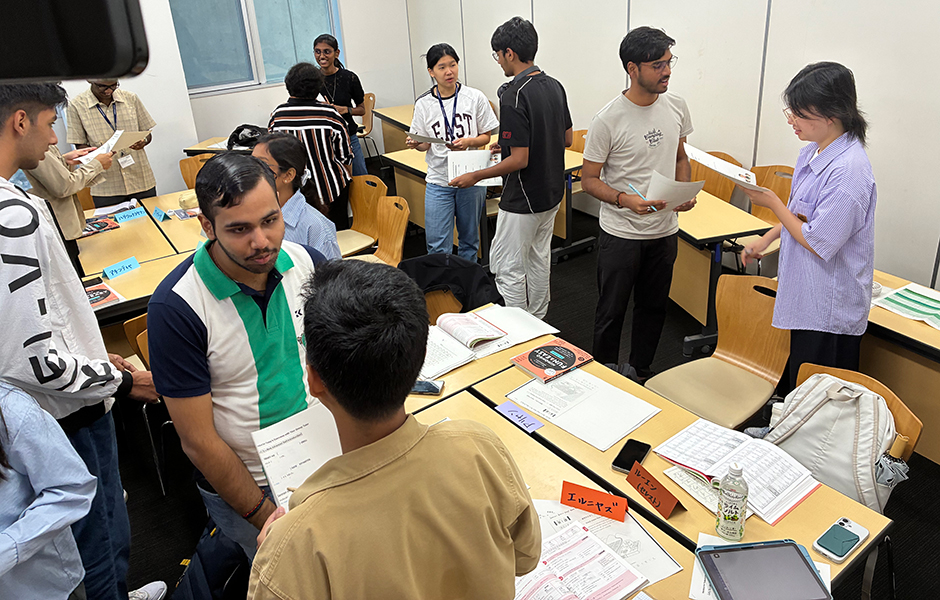
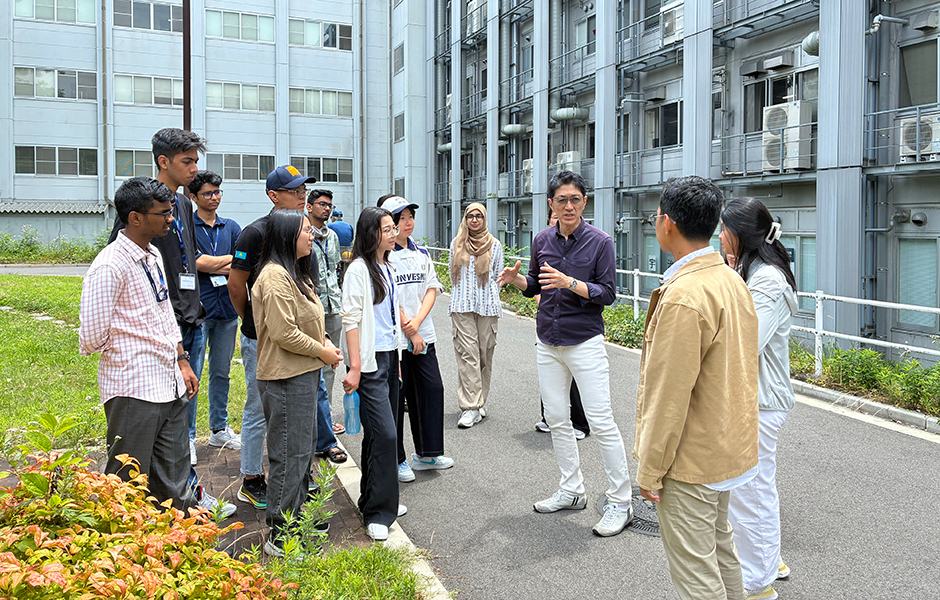
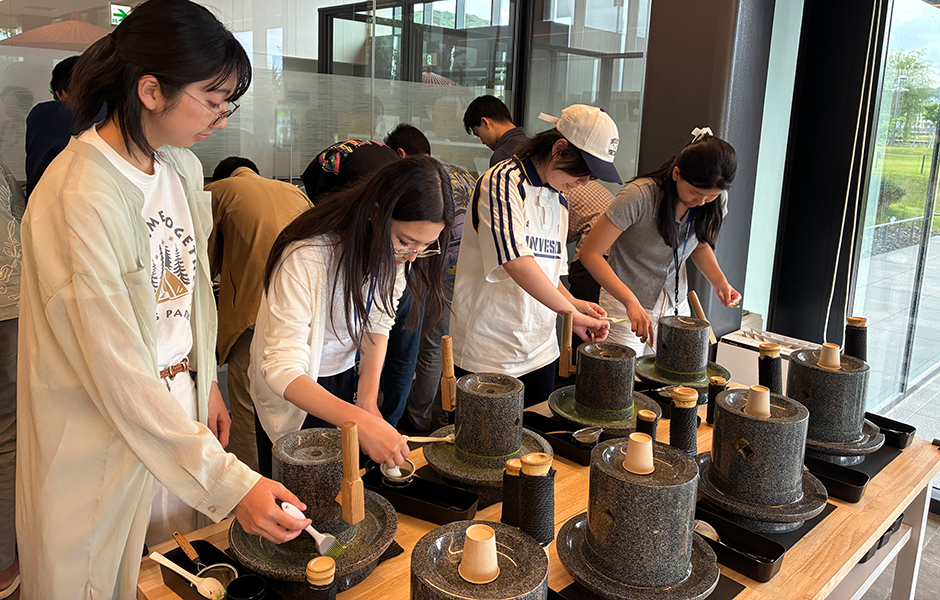
Alongside their intensive research, the scholars attended Japanese language classes and visited the Uji Campus and iCeMS. They also participated in cultural activities such as preparing matcha (green tea) and making wagashi (traditional Japanese sweets). Through these experiences, they deepened their connections with each other and with the broader KyotoU community.
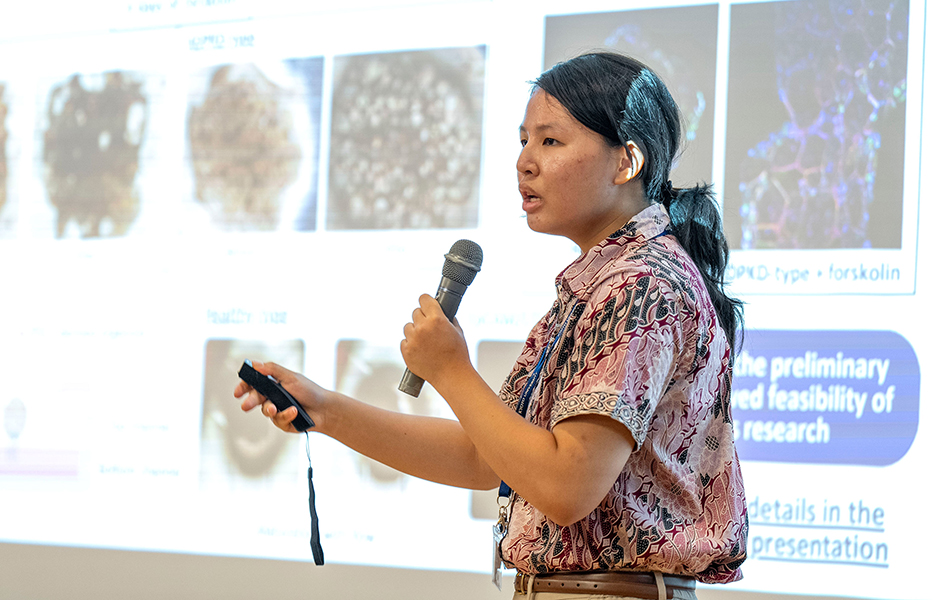
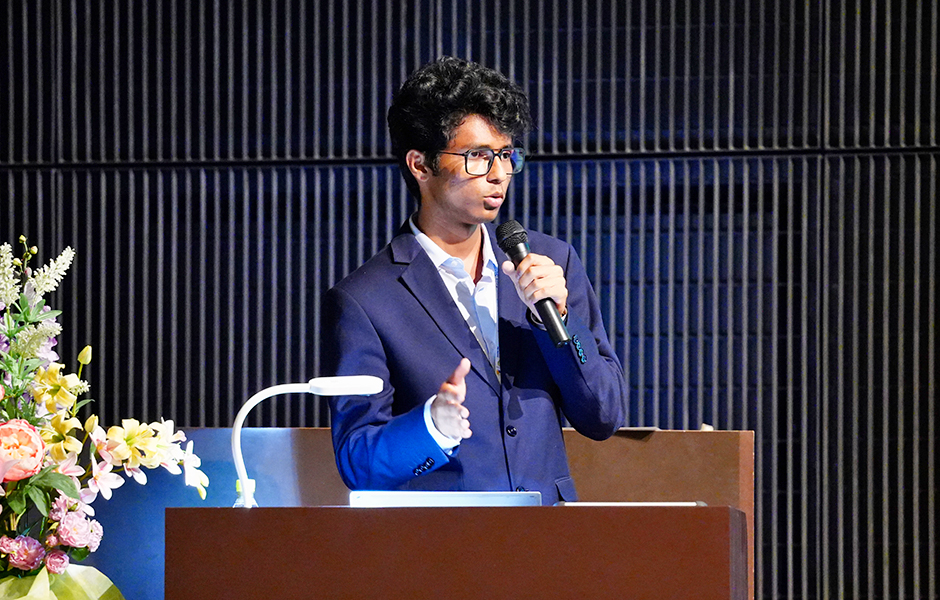
As the final activities of the program, participants gave their presentations at Kyoto University on 31 July and took part in the Asia Symposium at the University of Tokyo on 4 and 5 August. At the symposium, which brought together Amgen Scholars from partner institutions in Asia and the University of Melbourne, participants from KyotoU confidently discussed their research in poster and oral presentations as well as engaging in lively discussions with peers and leading researchers from other ASP host universities.
Kyoto University hopes that the program participants, having gained valuable research experience and forged international connections within its tradition of academic freedom, will go on to thrive as research leaders driving global innovation in bioscience.