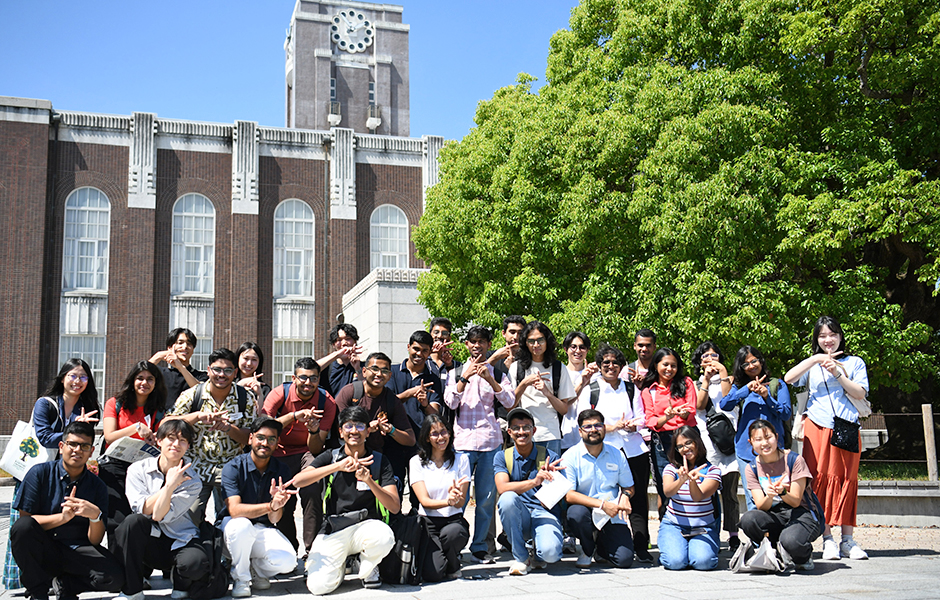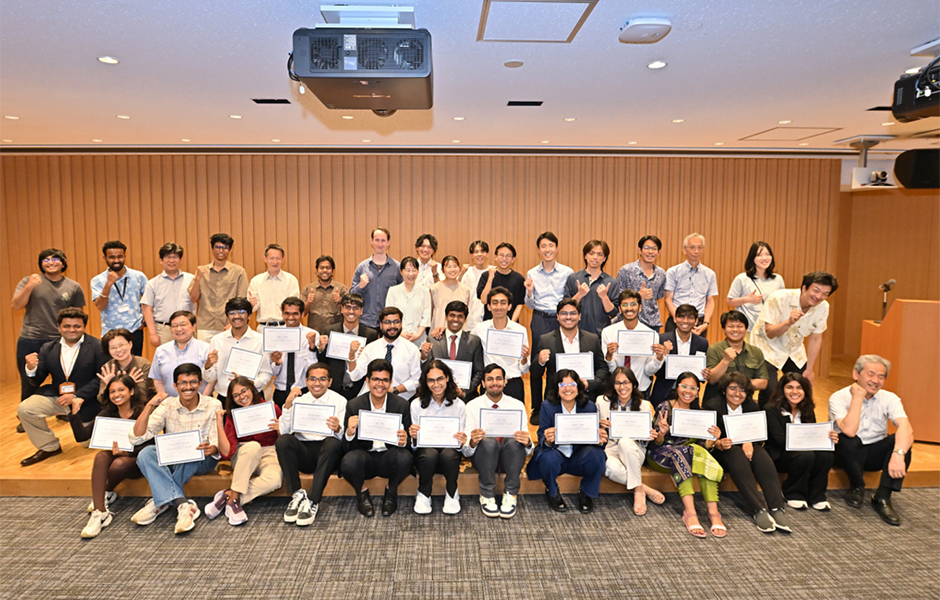

The Division of Graduate Studies has concluded the Kyoto University Short-Term Academic Research (KU-STAR) Program for India 2026, which ran from 19 May to 10 July.
The KU-STAR Program is a short-term research internship initiative aimed at increasing the number of international graduate students at the University. This was the third year the program welcomed students from India. The 2026 cohort comprised 21 outstanding students, selected from 351 applicants, including talented second- and third-year undergraduates and first-year master's students.
The students hailed from some of India's leading institutions: four from the Indian Institute of Technology (IIT) Delhi; three from IIT Roorkee; two each from IIT Madras, IIT Guwahati, and BITS Pilani; and one each from the Indian Institute of Science (IISc), IIT Bombay, IIT Kharagpur, IIT Hyderabad, IIT Tirupati, Amrita Vishwa Vidyapeetham, Jadavpur University, and the Indian Institute of Science Education and Research (IISER) Kolkata.
Based on the preferences they indicated in their applications, the KU-STAR students were assigned to laboratories across a wide range of departments and institutes, where they engaged in intensive research projects. Their host laboratories were affiliated with the following: the Graduate Schools of Science, Medicine, Engineering, Agriculture, Human and Environmental Studies, Informatics, and Biostudies; the Graduate School of Global Environmental Studies (GSGES); the Institute for Chemical Research (ICR); the Institute of Advanced Energy (IAE); the Research Institute for Mathematical Sciences (RIMS); and the Institute for Integrated Cell-Material Sciences (iCeMS), part of the Kyoto University Institute for Advanced Study (KUIAS).
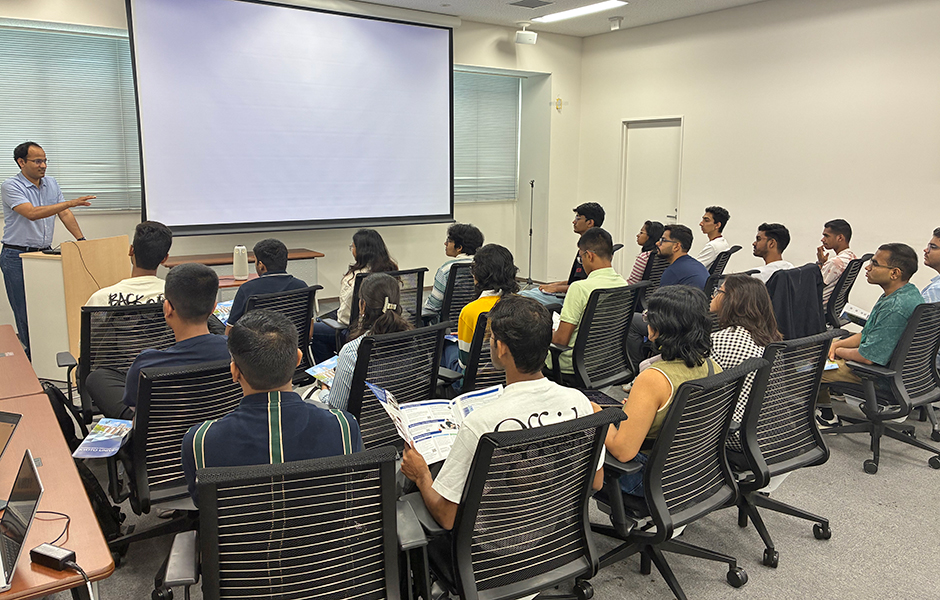
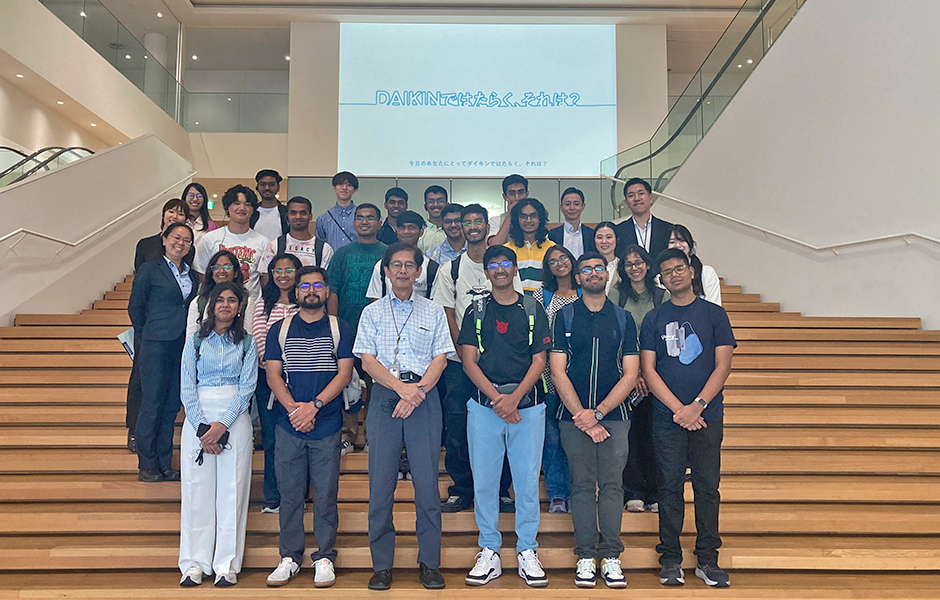
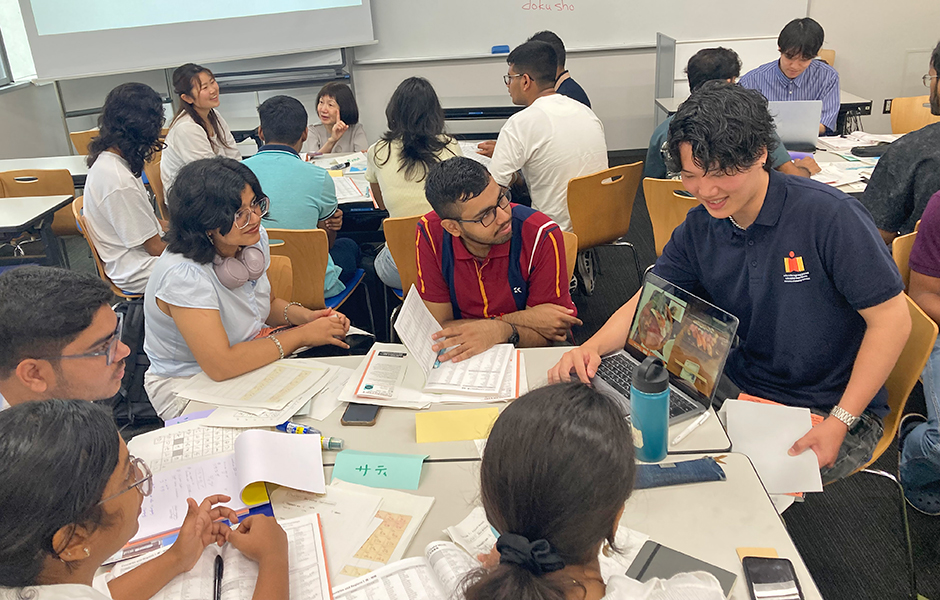
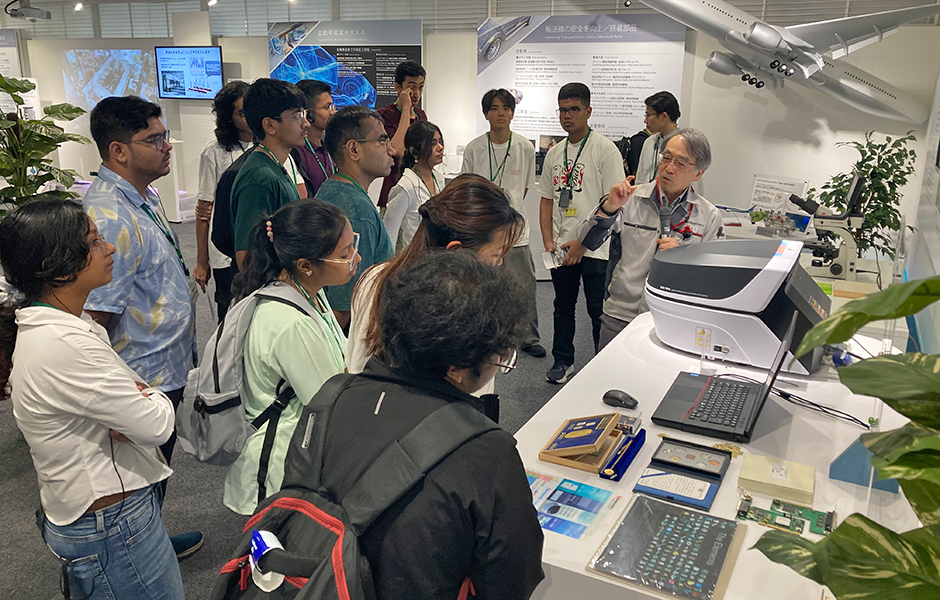
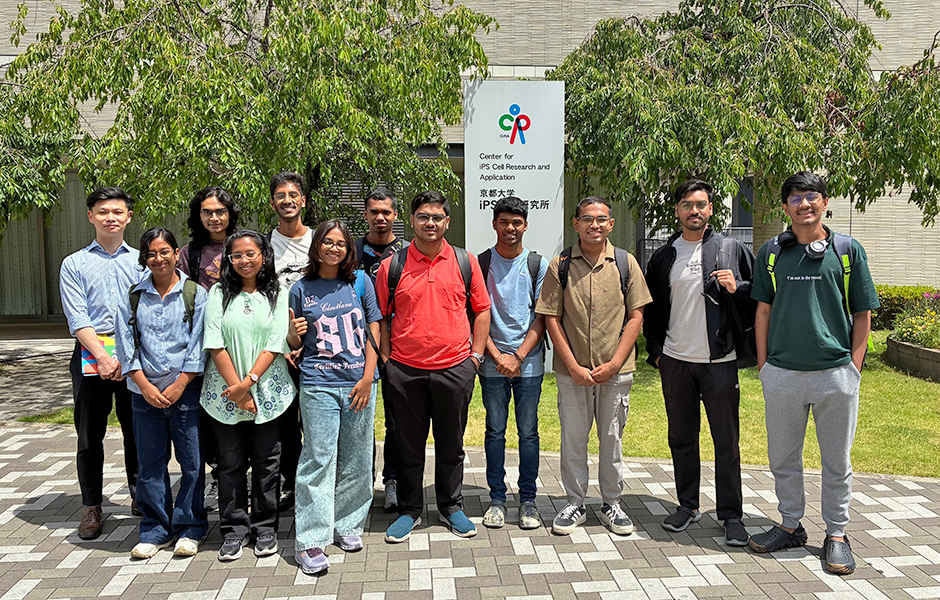
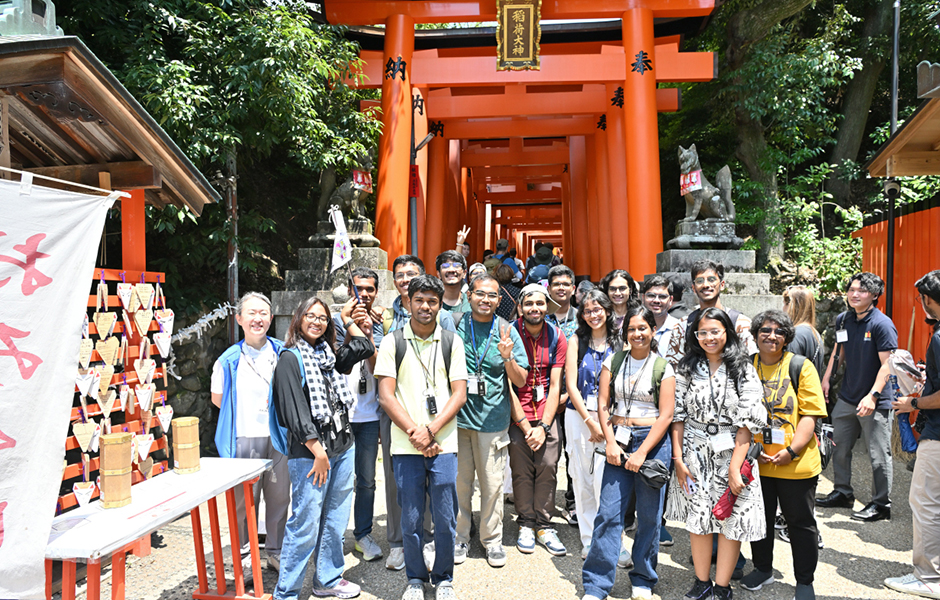
In addition to research activities, the program offered a variety of events to help participants explore potential career paths in Japan. These included a graduate school information session as well as visits to leading companies and research institutes such as Daikin Industries Ltd (organized in cooperation with Mitsui Fudosan Co Ltd), Shimadzu Corporation, and the Center for iPS Cell Research and Application (CiRA). The students also deepened their understanding of Japanese culture through Japanese language classes and cultural activities, including a visit to Fushimi Inari Taisha, organized with the support of Kyoto City.
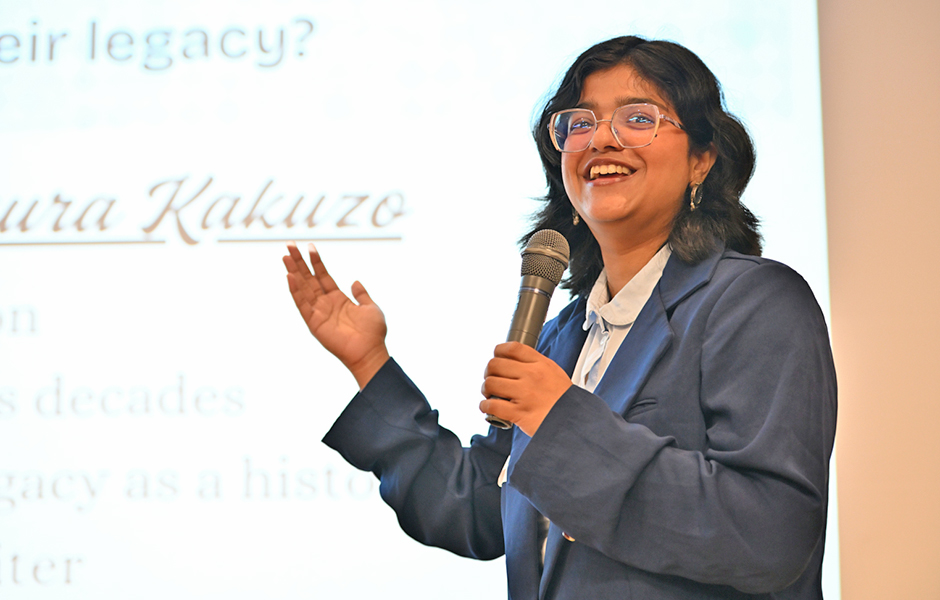
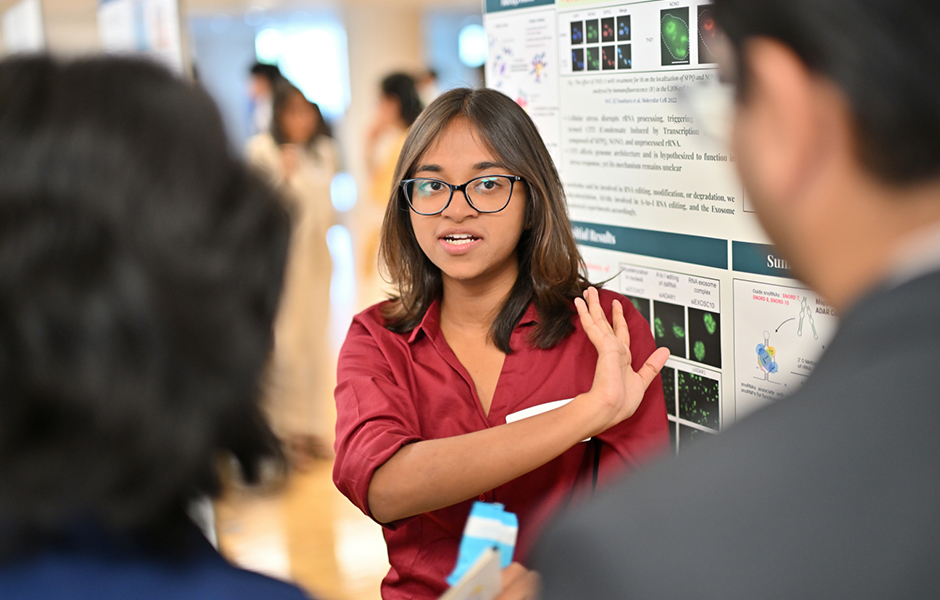
The program culminated in the Final Presentation Session on 9 July, where the students showcased their research through three-minute pitch presentations and posters.
Despite the program's relatively short duration, the KU-STAR students demonstrated remarkable growth through their active participation in research activities in their host laboratories. Kyoto University hopes that these promising individuals will eventually return to its campuses as graduate students or researchers, further enriching its global academic community.