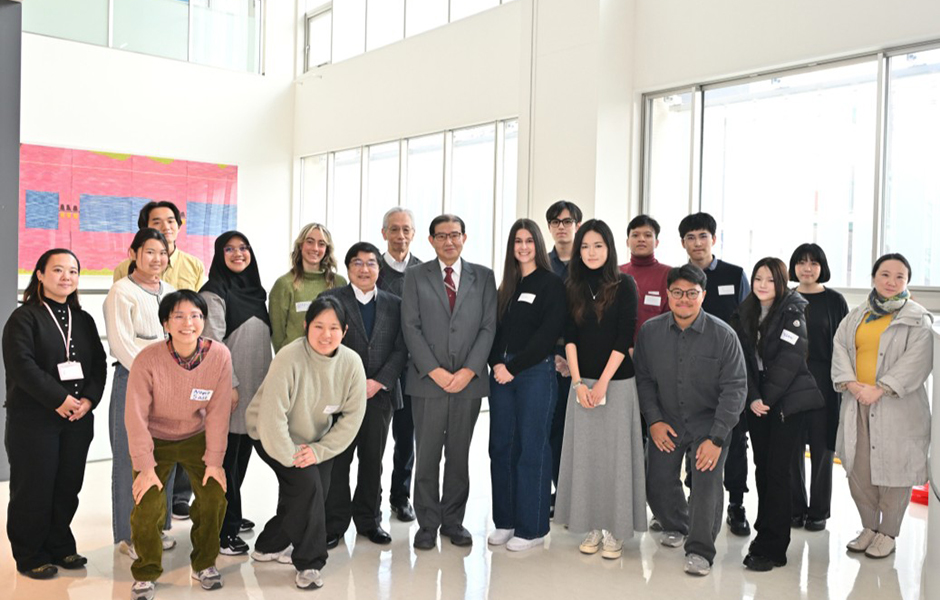

The Kyoto University Short-Term Academic Research (KU-STAR) Program, implemented by the Division of Graduate Studies as part of its efforts to increase international enrollment in KyotoU's graduate programs, offers outstanding students from overseas opportunities to experience the University's research environment. From 8 January to 20 February 2026, a KU-STAR Program for students from Australian universities took place with ten participants.
These talented individuals, selected from 48 applicants, included nine master's students and one undergraduate from four institutions: the University of Melbourne, Monash University, the University of Adelaide, and the Royal Melbourne Institute of Technology (RMIT University). They came from a variety of places, including Australia, China, Indonesia, Hong Kong, and the Philippines.
The program placed the students in laboratories at the Graduate Schools of Medicine, Engineering, Agriculture, Human and Environmental Studies, Energy Science, Informatics, Global Environmental Studies (GSGES), and Advanced Integrated Studies in Human Survivability (GSAIS) as well as the Institute for Chemical Research (ICR) and the Disaster Prevention Research Institute (DPRI).
The first day began with an orientation featuring messages of encouragement from Dr Takao Hirajima, director of the Division of Graduate Studies, Dr Fuyuki Ishikawa, the University's vice-president for academic research support, and Dr Akira Murakami, director of GSAIS. A self-introduction session followed, in which the students presented their research topics and goals. The day also included a welcome lunch, which brought the participants together with members of the host institution -- faculty, university research administrators (URAs) from the Kyoto University Office of Research Acceleration (KURA), and students serving as office assistants -- to mark the beginning of their research life in Kyoto.
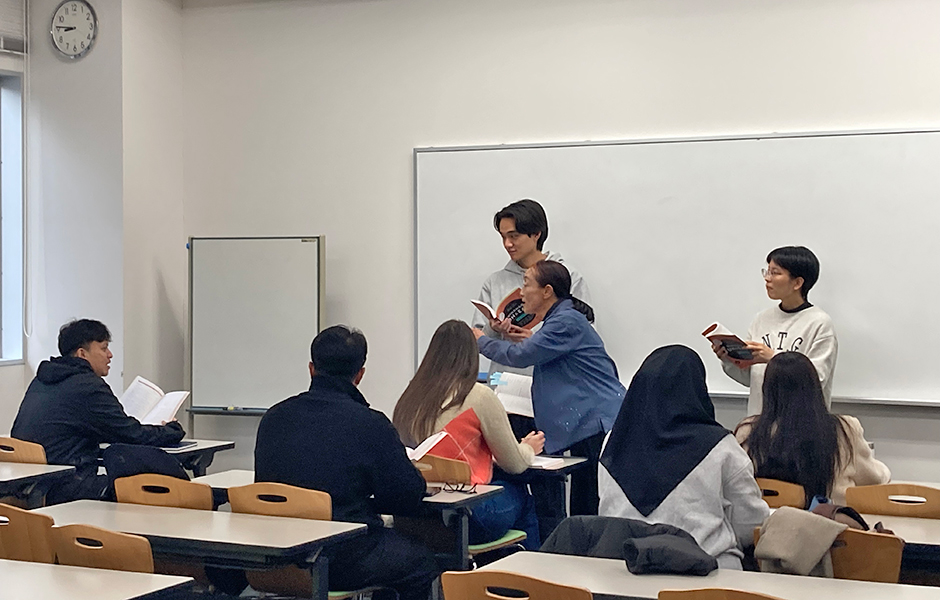
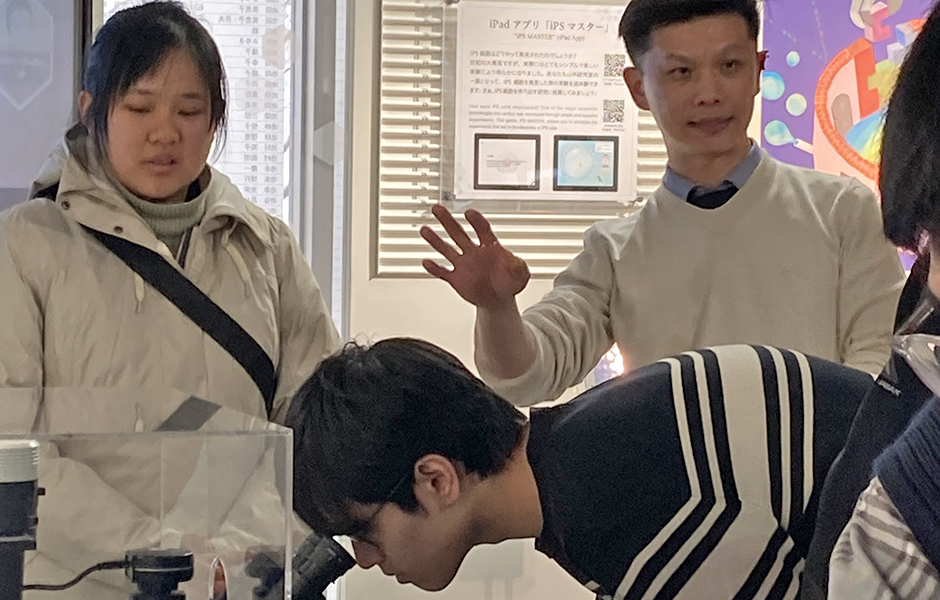
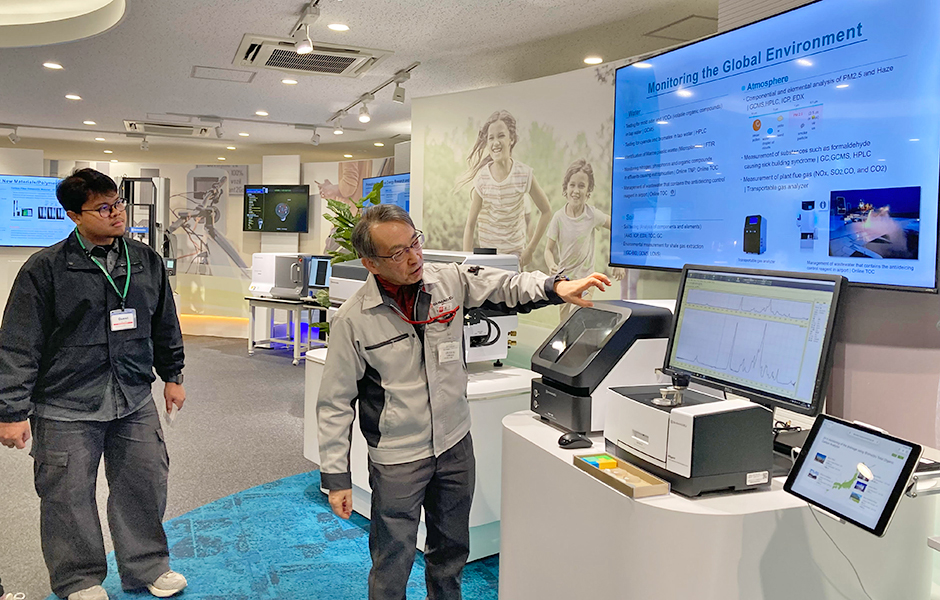
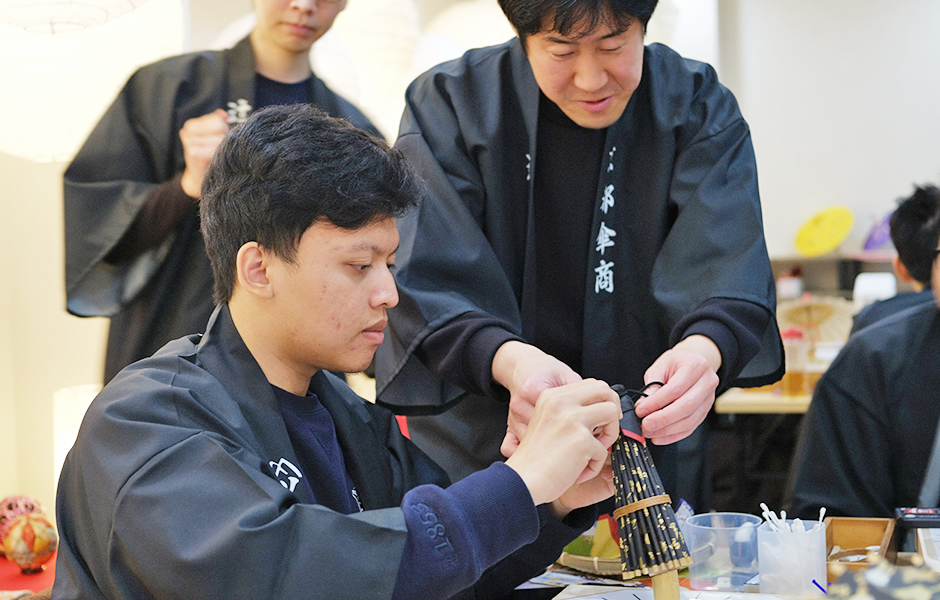
Over the following weeks, the participants deepened their understanding of the University's educational and research environment as well as Japanese companies' career development and research initiatives. Activities included visits to the KyotoU Center for iPS Cell Research and Application (CiRA) and Shimadzu Corporation -- with which the University has a comprehensive partnership agreement -- as well as attendance at a graduate school information session. In addition, the students participated in Japanese language classes tailored to their proficiency levels and experienced traditional Kyoto craftsmanship through a hime-wagasa (miniature Japanese umbrella) workshop, hosted by Tsujikura, a long-established Japanese umbrella shop, with cooperation from Kyoto City.
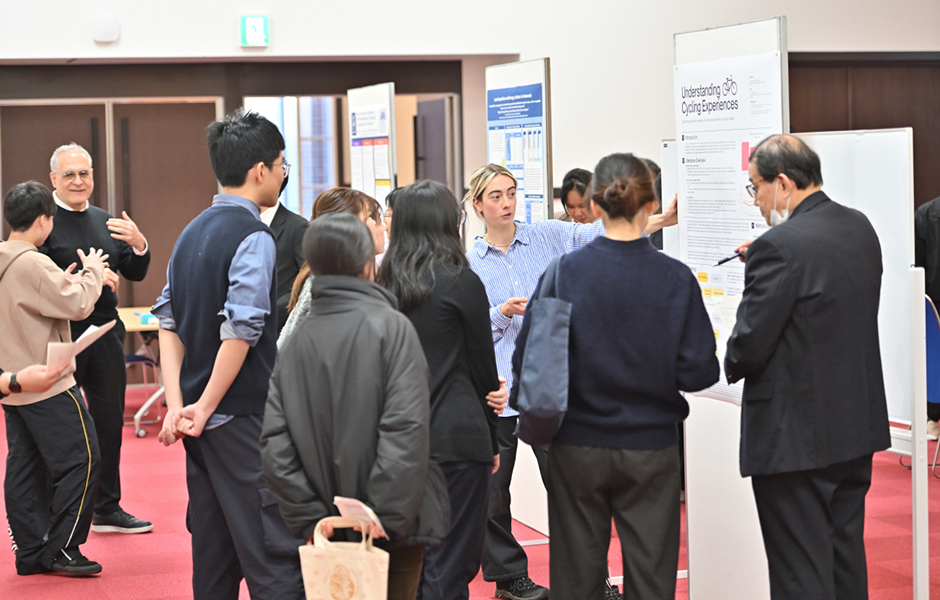
On the final day, 19 February, the students delivered oral and poster presentations on their research findings before participating in a concluding ceremony that featured a video message from Ms Susan Johns, counsellor for education and research at the Australian Embassy.
In light of the significant growth the participants demonstrated over the relatively short program period through their dedicated work in their host laboratories, the University hopes to welcome them back in the future as graduate students or to continue collaborating with them as researchers.